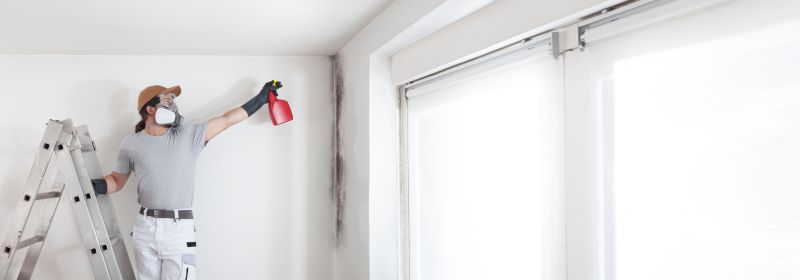
White Mold Mitigation in Essex County, NJ
White mold mitigation services focus on identifying and removing mold growth caused by excess moisture or humidity within residential properties. These services typically address areas such as basements, bathrooms, attics, and any spaces where mold appears as a white, fuzzy, or powdery substance. Property owners often seek this service when noticing mold growth that may be affecting indoor air quality, causing property damage, or raising health concerns. Understanding the extent of mold presence and the underlying moisture source is essential before requesting mitigation, as these factors influence the scope of work needed to effectively remove mold and prevent future growth.
Before requesting white mold mitigation, property owners usually want to know how the mold is affecting their home and what steps are involved in removal. It’s important to assess whether the mold growth is limited to a small area or widespread, as this impacts the approach taken. Additionally, understanding the importance of addressing moisture issues and ensuring proper drying and ventilation after mold removal can help prevent recurrence. Clear communication about the process and what to expect during mitigation can assist homeowners in making informed decisions about restoring a safe and healthy living environment.
Many property owners in Essex County, NJ look into White Mold Mitigation for repairs, replacements, upgrades, and appearance-related improvements.
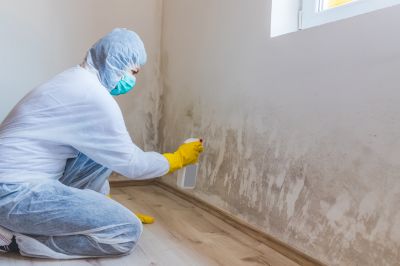
Understanding White Mold
White mold often develops in damp, poorly ventilated areas of homes in essex county, nj.
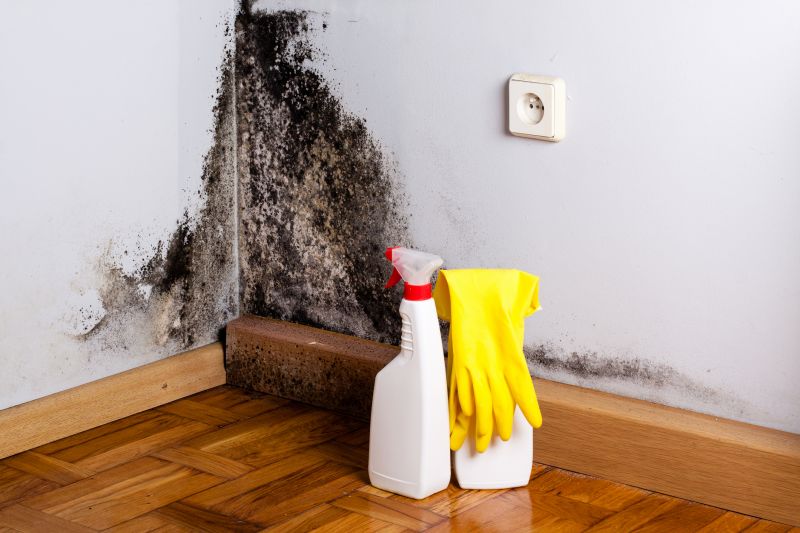
Health And Property Risks
White mold can cause health issues and damage building materials if not properly addressed.
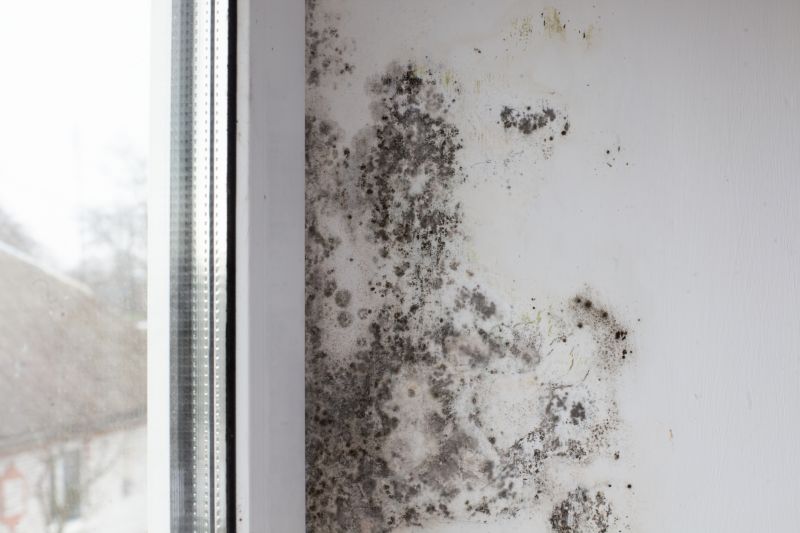
Mitigation And Prevention
Effective mitigation involves removing existing mold and implementing measures to prevent future growth.
White Mold Mitigation in Essex County, NJ
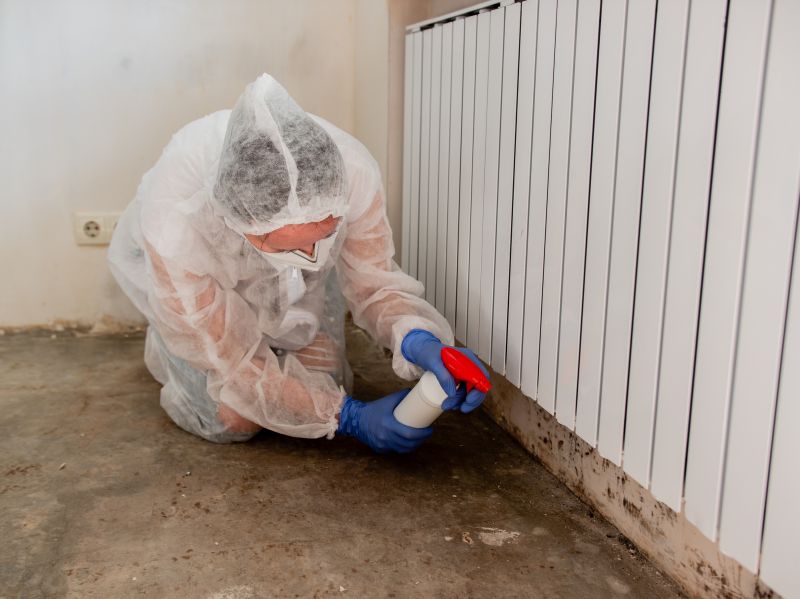
White mold mitigation services focus on identifying and removing mold growth caused by excess moisture or humidity within residential properties. These services typically address areas such as basements, bathrooms, attics, and any spaces where mold appears as a white, fuzzy, or powdery substance. Property owners often seek this service when noticing mold growth that may be affecting indoor air quality, causing property damage, or raising health concerns. Understanding the extent of mold presence and the underlying moisture source is essential before requesting mitigation, as these factors influence the scope of work needed to effectively remove mold and prevent future growth.
Before requesting white mold mitigation, property owners usually want to know how the mold is affecting their home and what steps are involved in removal. It’s important to assess whether the mold growth is limited to a small area or widespread, as this impacts the approach taken. Additionally, understanding the importance of addressing moisture issues and ensuring proper drying and ventilation after mold removal can help prevent recurrence. Clear communication about the process and what to expect during mitigation can assist homeowners in making informed decisions about restoring a safe and healthy living environment.
Many property owners in Essex County, NJ look into White Mold Mitigation for repairs, replacements, upgrades, and appearance-related improvements.
Common White Mold Mitigation Jobs
White Mold Remediation - removal of mold growth from affected areas to improve indoor air quality.
Structural Drying - drying out walls, ceilings, and floors impacted by mold-related moisture.
Moisture Control - identifying and eliminating sources of excess humidity fueling mold growth.
Surface Cleaning - cleaning and disinfecting surfaces contaminated with mold spores.
Inspection and Assessment - evaluating property to determine the extent of mold and moisture issues.
Preventive Solutions - implementing measures to reduce future mold growth and moisture problems.
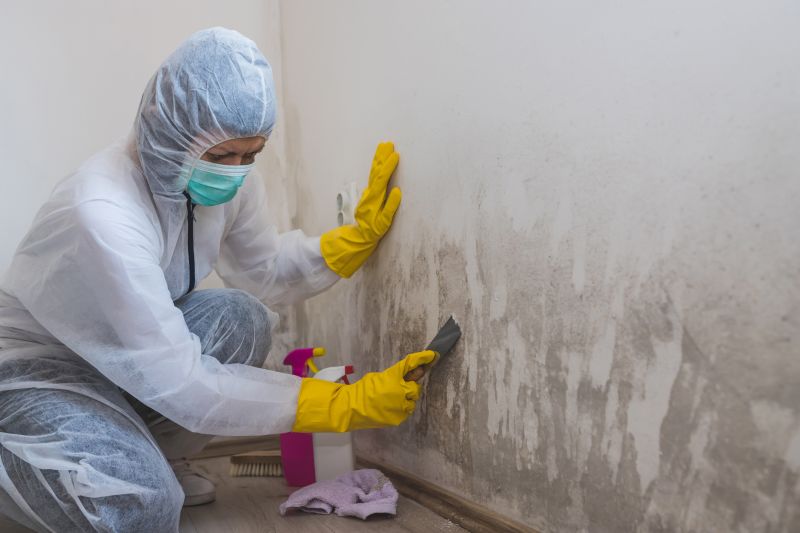
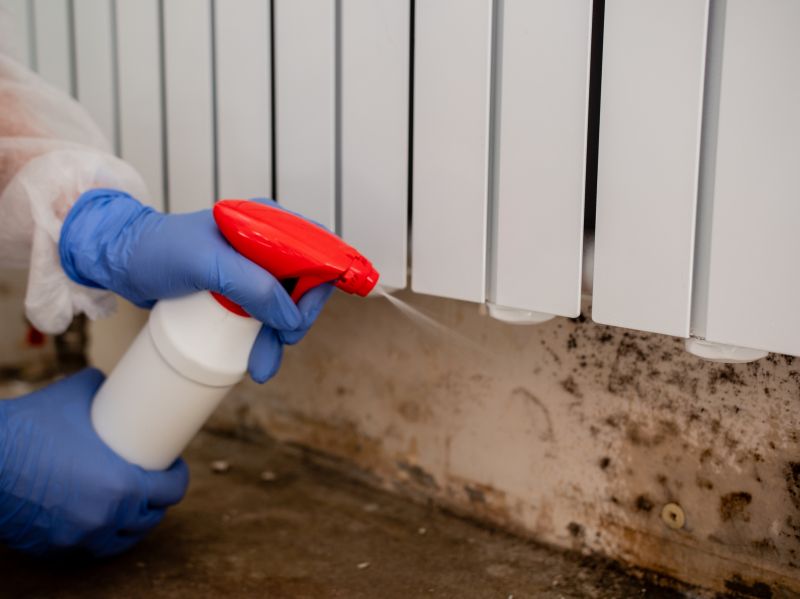
White Mold Mitigation Questions
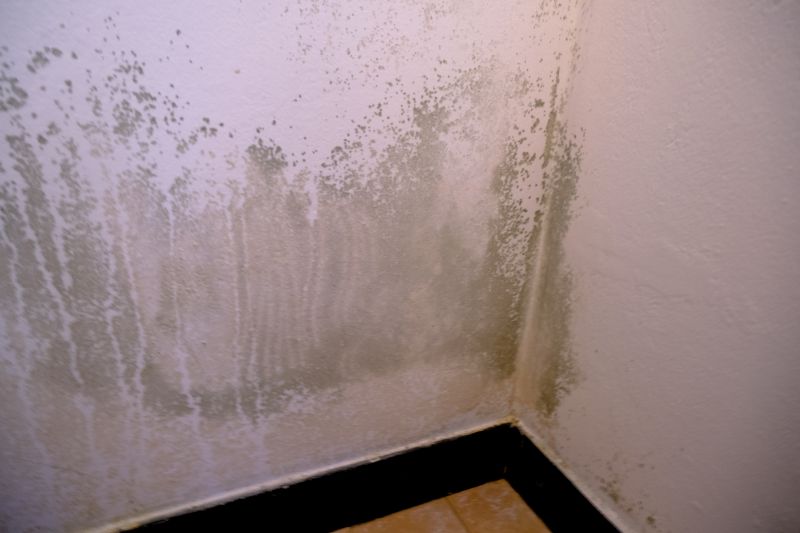
What is white mold? White mold is a type of mold that appears as a white or light-colored growth on surfaces, often caused by excess moisture or humidity.
How can white mold affect a property? White mold can cause staining, surface damage, and potential health issues if not addressed promptly.
What are common areas where white mold is found? White mold typically develops in damp areas such as basements, bathrooms, and around leaks or water intrusion points.
What does mitigation involve? Mitigation involves identifying moisture sources, removing mold growth, and implementing measures to prevent future development.
Request White Mold Mitigation in Essex County, NJ
Use the quote form on this page to share the basics of your project and request more information for the type of work you need.